
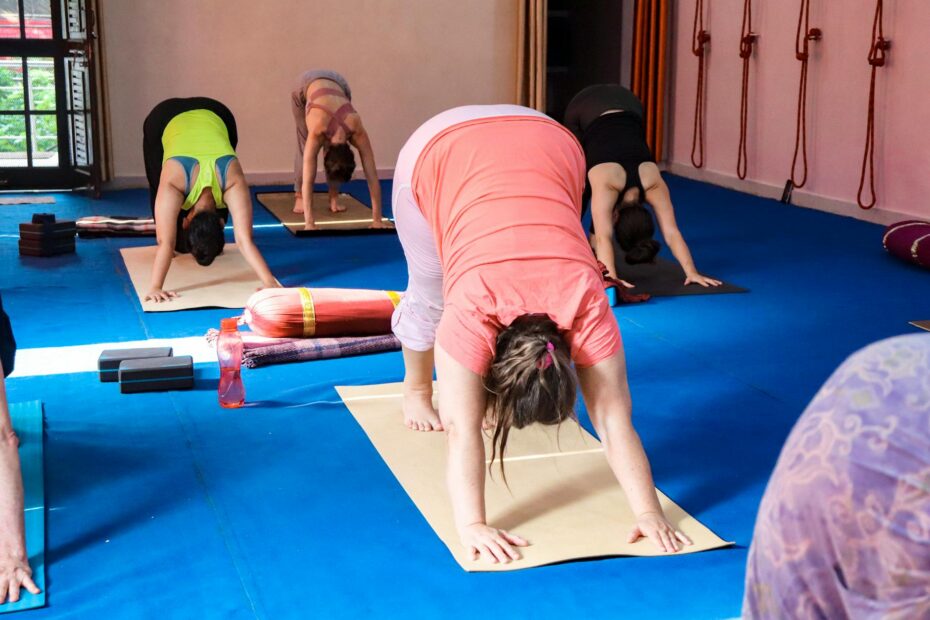
Discover how yoga can transform your body and mind, enhancing flexibility, alleviating stress, and building strength. Have you ever felt the discomfort of stiffness from prolonged sitting? Or are you curious about ways to elevate your overall flexibility? Yoga might just be the answer you’ve been searching for.
In this article, we will explore 5 best yoga routines that can help you achieve complete body flexibility. These simple yoga exercises are beginner-friendly and can be done at home without any fancy equipment.
1. Downward Dog (Adho Mukha Svanasana)

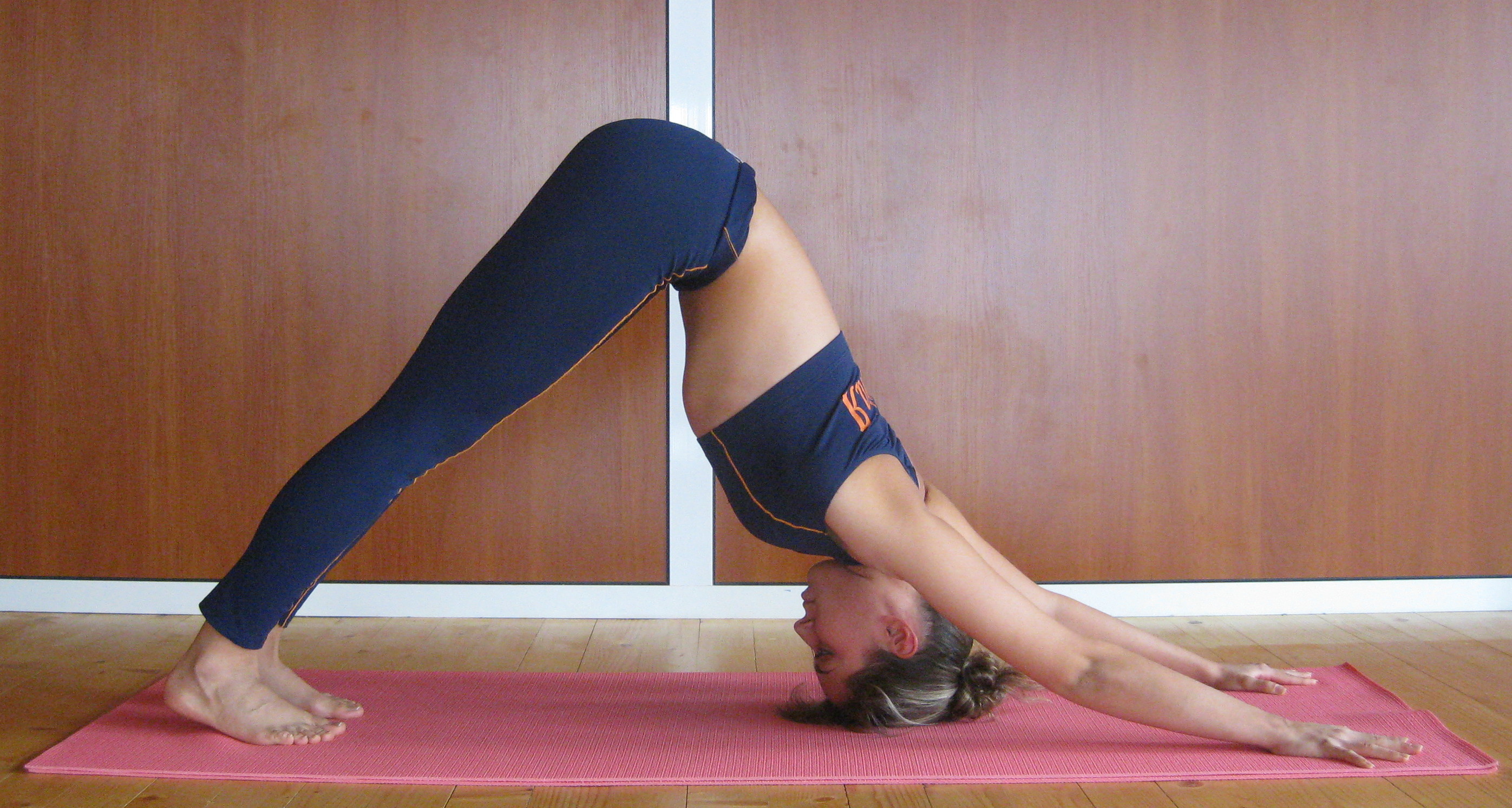
Why it works: Downward Dog is one of the most common yoga poses that stretches your hamstrings, calves, and shoulders. It also helps to strengthen your arms and core.
How to do it:
- Start on your hands and knees in a tabletop position.
- Lift your hips toward the ceiling, creating a V shape with your body.
- Press your hands firmly into the floor and try to bring your heels down toward the ground.
- Hold the position for 15-30 seconds and repeat.
Benefits:
- Stretches the hamstrings and calves
- Strengthens the core
- Improves posture
2. Cat-Cow Pose (Marjaryasana-Bitilasana)
Why it works: This dynamic movement helps to stretch your spine and improve flexibility in your back and neck. It also promotes relaxation.
How to do it:
- Start in a tabletop position with your wrists under your shoulders and knees under your hips.
- Inhale as you arch your back, lifting your chest and tailbone toward the ceiling (Cow Pose).
- Exhale as you round your back, tucking your chin toward your chest and your tailbone under (Cat Pose).
- Repeat for 10-15 rounds, flowing with your breath.
Benefits:
- Increases spinal flexibility
- Relieves tension in the neck and back
- Enhances coordination
3. Seated Forward Bend (Paschimottanasana)

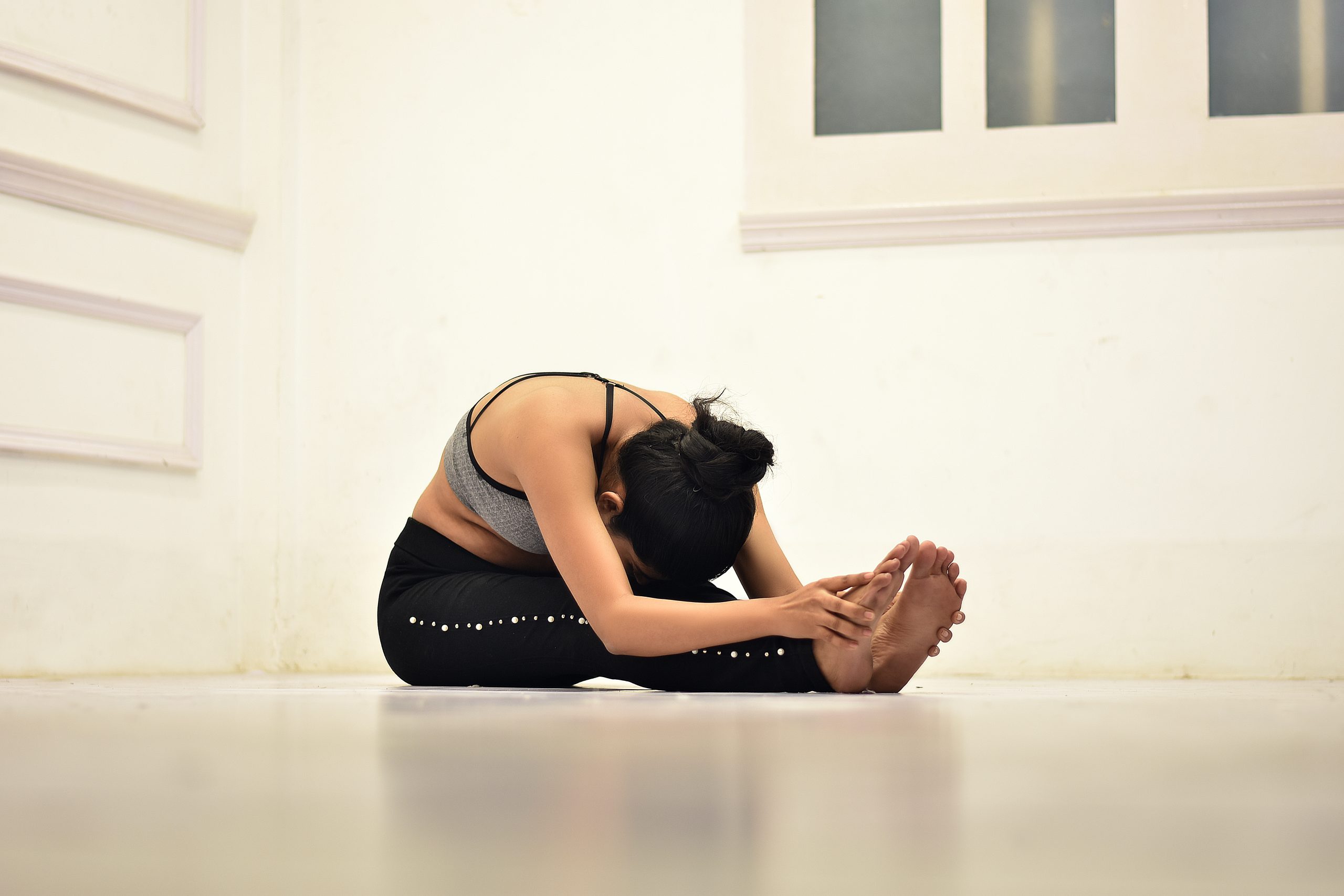
Why it works: This seated stretch targets your hamstrings, lower back, and spine, increasing overall flexibility in your body.
How to do it:
- Sit on the floor with your legs extended straight in front of you.
- Inhale and lengthen your spine, reaching your arms overhead.
- Exhale and fold forward, reaching your hands toward your feet.
- Hold the position for 20-30 seconds, breathing deeply.
Benefits:
- Stretches the hamstrings and lower back
- Improves posture
- Calms the mind and body
4. Child’s Pose (Balasana)

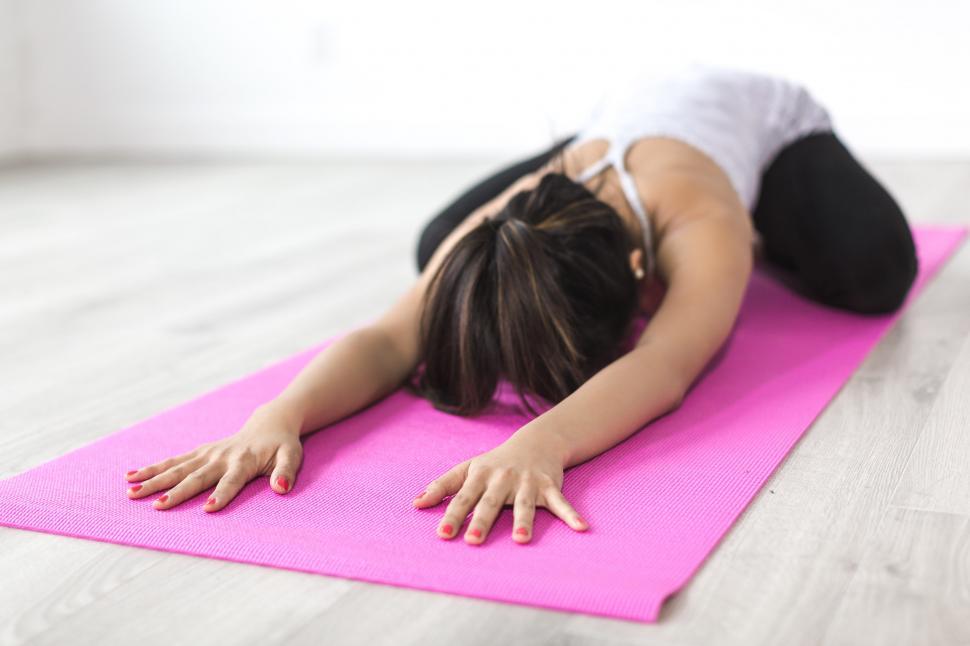
Why it works: Child’s Pose is a gentle stretch that targets the hips, thighs, and lower back. It’s also a great resting pose during your yoga practice.
How to do it:
- Start by kneeling on the floor, with your big toes touching and knees spread apart.
- Sit back on your heels, then fold forward, bringing your forehead to the mat.
- Extend your arms forward or place them by your sides.
- Hold for 30 seconds to 1 minute, relaxing into the stretch.
Benefits:
- Stretches the hips and thighs
- Relieves tension in the lower back
- Provides a calming, restorative effect
5. Butterfly Pose (Baddha Konasana)

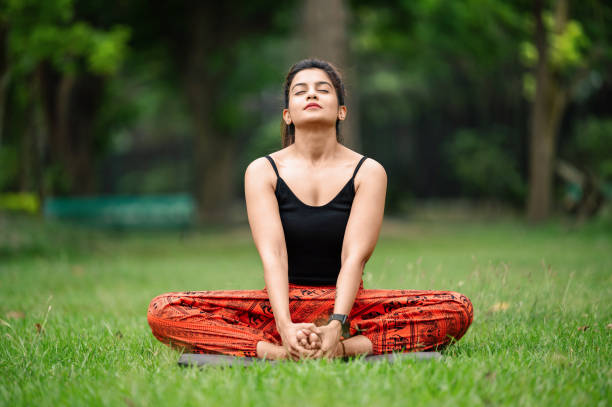
Why it works: Butterfly Pose is excellent for increasing flexibility in your hips, groin, and inner thighs. It also promotes good circulation.
How to do it:
- Sit on the floor with your spine straight.
- Bring the soles of your feet together, allowing your knees to fall out to the sides.
- Hold your feet with your hands and gently press your knees down toward the floor.
- Hold for 30 seconds to 1 minute, breathing deeply.
Benefits:
- Stretches the inner thighs and groin
- Improves flexibility in the hips
- Reduces tension in the lower body
Incorporating yoga into your daily routine can be a great way to improve your body flexibility and overall well-being. These 5 yoga routines—from Downward Dog to Butterfly Pose—are simple, effective, and suitable for beginners.
By practicing these poses regularly, you will notice improvements in your flexibility, posture, and mental clarity. Yoga helps in creating a balanced and strong body, and over time, you will experience less stiffness and more mobility.
Remember to take it slow, listen to your body, and gradually increase the duration and intensity of your stretches. With consistency, you will achieve your flexibility goals in no time.
FAQs
How often should I practice yoga to improve flexibility?
To improve flexibility, it’s best to practice yoga at least 3-4 times a week. Start with shorter sessions and gradually increase the duration.
Can beginners do these yoga poses?
Yes, these poses are beginner-friendly! Start with slow movements and don’t push your body too much. Yoga is about gradual progress.
How long should I hold each yoga pose?
Hold each pose for at least 20-30 seconds. You can increase the duration as your flexibility improves over time.