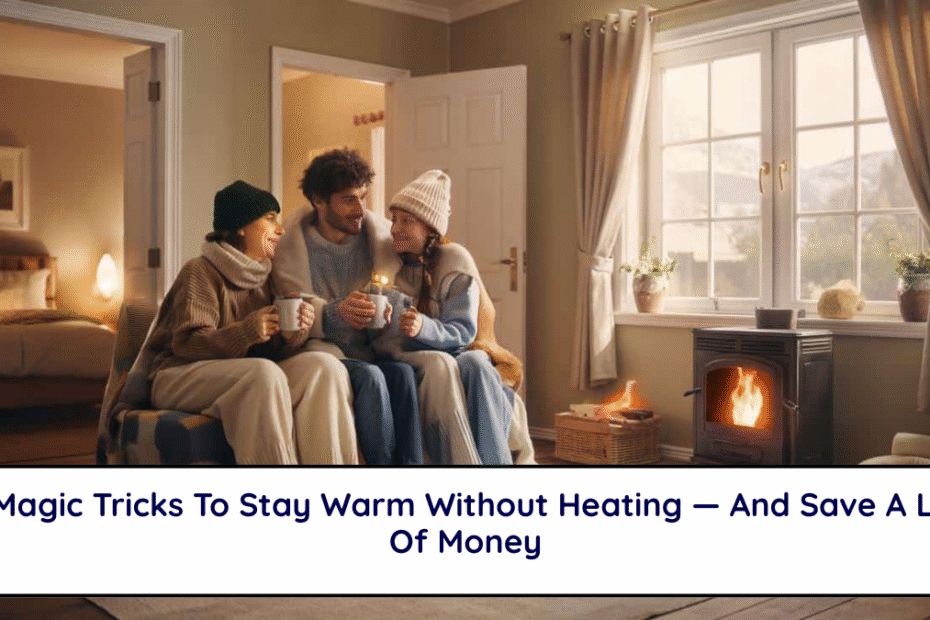
Many people are holding off on switching on the heating, grabbing old hot-water bottles, layering jumpers and blankets, and searching for low-cost ways to stay comfortable indoors.
Rising energy bills and dropping temperatures are forcing millions of households across Europe and North America to rethink how they stay warm.
In places like Italy, the UK, and the US, heating can make up about 40% of total household energy use. Even reducing indoor temperatures by just 1°C can cut heating bills by roughly 7%, according to multiple European studies.
But going too low — especially below 18°C — increases risks for vulnerable individuals, including respiratory discomfort and circulation issues.
This guide explores six practical, science-backed strategies to stay warm affordably by focusing on a simple rule used by energy experts: warm the person first, then the room, and finally the entire house.
1. Dress Smart: The Mountaineer Method
Layering That Actually Works
The cheapest “heating system” you own is your clothing, but how you layer it makes the real difference.
A smart layering strategy includes:
- A breathable base layer that absorbs moisture
- A warm mid-layer like wool or fleece
- A loose outer layer that blocks drafts and traps air
Natural fibres — wool, cotton, bamboo — retain heat more effectively than lightweight synthetic fabrics. According to UK and Italian energy agencies, a heavy jumper can make a cooler room feel up to 2°C warmer.
Warm Extremities = Warm Body
Keeping feet, hands, and head warm often improves comfort more than raising the thermostat.
Add thick socks, slippers, and a light beanie to your routine.
Add Small Movement
Simple activities such as stretching, walking around the room or a short set of squats help boost circulation — shifting your body from cold to comfortable without heating the home.
2. Make Your Home A Passive Radiator
Use Sunlight As Free Heat
Sunshine is the most affordable heat source available. Opening curtains during the day lets sunlight raise room temperatures by up to 3°C, especially in south-facing spaces.
Once the sun sets:
- Close curtains
- Drop blinds
- Use heavier fabrics
This traps daytime heat and slows nighttime heat loss.
Block Cold Air Leaks
Older homes lose as much as 20% of indoor heat through gaps around windows and doors. Quick DIY fixes include:
- Draught excluders for doors
- Foam or rubber seals around windows
- Thermal curtains on cold walls
- Closing doors to unused rooms
Ventilate, But Smartly
Open windows wide for five minutes twice a day. This releases moisture without dramatically cooling the structure. Dry air feels warmer, reduces mould growth, and improves respiratory health.
3. Turn The Kitchen Into A Heat Source
Let Your Oven Finish Warming the Room
After baking or roasting, leave the oven door slightly open once switched off. The remaining heat can warm a small kitchen or studio for 20–30 minutes.
(Never turn on ovens solely for heating — it’s unsafe and inefficient.)
Use Hot Foods And Drinks
Warm beverages and meals temporarily increase core body temperature. Research from institutions like Cambridge University shows warm drinks can boost body heat by 0.5°C for a short time.
Soups, teas, porridge, and stews also help maintain hydration and consistent energy.
4. Use Old-School Tools And Modern Heating Gadgets
Traditional warming methods are becoming popular again — but with safer, more efficient designs.
Popular Options And Their Benefits
| Solution | Typical Upfront Cost | Heat Duration | Energy Profile |
|---|---|---|---|
| Hot-water bottle | £5–£10 | Up to 5 hours | Uses kettle water only |
| Low-voltage heated throw | £25–£40 | Continuous | Very low electricity use (approx. 40W) |
| Efficient pellet stove | £800–£1,200+ | Continuous | High efficiency, lower emissions |
Heating your body, not an entire room, gives the best comfort-per-cost ratio. A hot-water bottle placed in bed 30 minutes before sleep creates a warm pocket without overnight electricity. Heated throws warm a sofa or bed quickly using minimal power.
Pellet stoves, although pricey, significantly lower gas consumption in well-insulated homes.
5. Use Warm Colours And Soft Lighting For “Psychological Heat”
The Power Of Atmosphere
The human brain interprets colour and light as part of temperature perception.
Use:
- Warm tones (mustard, terracotta, ochre) on walls or textiles
- 2700K warm-white LED lights for a cosy glow
Cool, blue-white light often makes rooms feel colder, even if the actual temperature is the same.
Stabilise Evening Routines
Soft lighting, warm colours, and consistent sleep schedules help regulate the body’s internal temperature overnight.
6. Prioritise Safety Before Savings
Any heat-producing device — electric or fuel-based — carries risks.
Avoid Carbon Monoxide Hazards
Fire brigades across Europe report hundreds of yearly emergencies from:
- Faulty boilers
- Blocked chimneys
- Improvised heaters
To stay safe:
- Service stoves, chimneys, and boilers regularly
- Keep air vents open around heaters
- Install carbon monoxide detectors and test them
- Avoid overloading electrical sockets
Thinking Ahead: Long-Term Solutions
Short-term fixes help today, but long-term strategies lower heating costs permanently:
- Insulate attics and cavity walls
- Lag hot-water pipes
- Install thermostatic radiator valves
- Use heat zoning to warm only the rooms you use
- Spend part of your day in community warm spaces like libraries or cafés
For those facing energy poverty, these community-based solutions can ease winter hardships significantly.
Staying warm without relying heavily on central heating is completely achievable. With rising energy prices, it becomes essential to focus on efficient, low-cost, and smart methods that prioritise warming your body first, reducing heat loss, and using passive or targeted heating solutions.
From layering correctly to capturing sunlight, sealing draughts, eating warm meals, and using simple devices like hot-water bottles, these techniques can reduce bills without sacrificing comfort or safety.
Incorporating long-term strategies like insulation and zoning only strengthens your home’s resilience against cold seasons.
FAQs
Can layering really make my home feel warmer?
Yes. Proper layering traps air, which acts as insulation. Many people feel up to 2°C warmer with strategic clothing.
Is it safe to heat rooms using the oven?
No. You should never turn on an oven solely for heating. However, using leftover heat after cooking is safe and efficient.
How much heat can sealing draughts actually save?
Homes with unsealed windows and doors can lose up to 20% of indoor heat. Sealing gaps can noticeably improve comfort and reduce energy use.