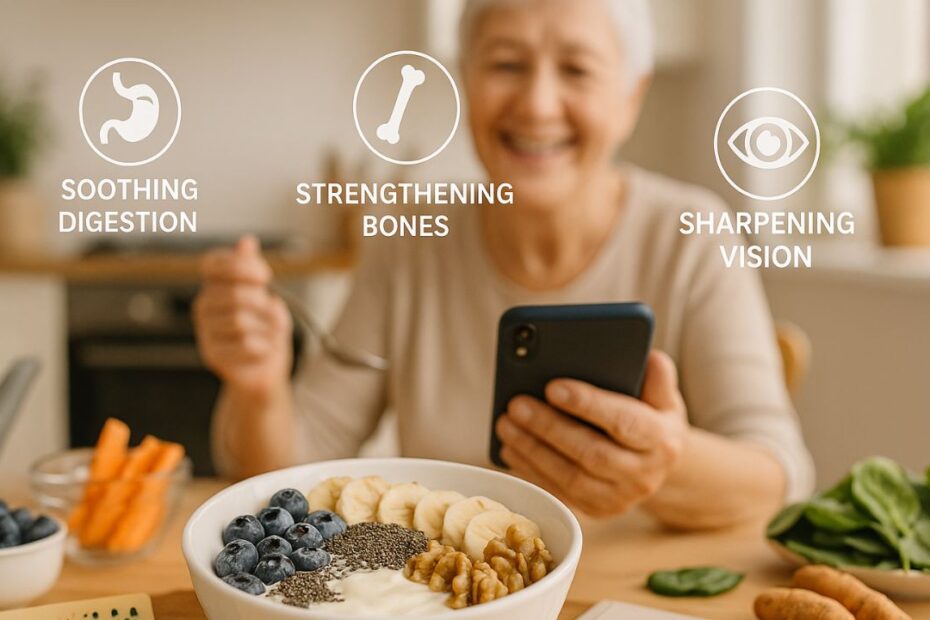
Older Adults: As we get older, our body starts showing small but uncomfortable changes. Digestion becomes slow, joints feel stiff, and eyesight weakens after long hours on screens. Because of this, people across Europe, the US, and India are returning to a traditional food that supports all three areas.
That food is ghee. Once known as a simple kitchen ingredient, ghee is now backed by scientific research showing that it can help older adults stay healthier in a natural way.
What Is Ghee and Why Is It Becoming Popular Again?
Ghee is made by heating butter until the water and milk solids separate. The clear golden fat that remains is called ghee. It has almost no lactose or milk protein, which makes it easier to digest than regular butter.
Many older adults develop lactose intolerance later in life, so switching to ghee is more comfortable for the stomach. Ghee also has a high smoke point, meaning it does not burn easily, making it safer for cooking than many oils.
Why Ghee Helps as You Age
Ghee is rich in vitamins and healthy fats that support eye health, gut comfort, and strong bones. Here is a simple table showing the main nutrients:
Simple Nutrient
| Nutrient | Amount (per 100g) | Benefit |
|---|---|---|
| Vitamin A | ~3000 mcg | Supports eye health and night vision |
| Vitamin K2 | ~15 mcg | Strengthens bones and helps calcium absorption |
| Butyric Acid | ~3–4g | Soothes gut lining and reduces irritation |
| Omega-3 & Omega-9 | 1:2 ratio | Helps maintain healthy blood fats |
How Ghee Supports Better Vision
Many older adults struggle with dry eyes and weaker night vision. Ghee is naturally rich in vitamin A, a nutrient that protects the surface of the eye and supports the retina. Because ghee contains vitamin A in a fat-rich form, the body absorbs it more easily than many supplement tablets. A small amount every day can give meaningful support to eyesight.
Bone Strength and Joint Health
Bone density often drops after the age of 50, especially for women after menopause. Vitamin K2, found in ghee, helps guide calcium into bones instead of letting it collect in the arteries. This makes ghee useful when combined with vitamin D, protein, and regular movement. It is not a replacement for medical treatment, but it adds gentle, daily support.
Ghee and Digestive Strength
Digestion becomes more sensitive with age. Bloating, constipation, or stomach irritation are very common. Ghee contains butyric acid—a compound that repairs the gut lining and helps reduce inflammation. People who cannot handle raw salads or heavy grains often digest vegetables better when cooked with a small amount of ghee.
How Much Ghee Should Older Adults Eat?
Even though ghee is healthy, it is still a concentrated fat. Most nutrition experts suggest:
• Up to 10 grams (about 2 teaspoons) per day
• People with high LDL cholesterol should limit it
• People with liver or gallbladder issues must take medical advice
Balance is important. Ghee works best in a diet full of vegetables, whole grains, and regular movement.
How to Use Ghee in Daily Cooking
• Add a teaspoon on warm vegetables
• Mix a small amount into soups
• Use for roasting vegetables
• Spread a thin layer on roti or bread
• Use for light frying without burning the food
A small amount improves taste and supports health at the same time.
Who Should Be Careful With Ghee?
Ghee may not suit people with heart disease, high LDL cholesterol, or certain gut conditions. Start with half a teaspoon to see if your body reacts well. Some people feel relief, while others may need to reduce the amount.
Ghee is not a miracle cure, but it offers real support to older adults. It improves digestion, strengthens bones, and helps maintain healthier eyes when used in small daily amounts. When combined with a balanced lifestyle, ghee becomes a simple, natural tool for healthier ageing.
FAQs
Can older adults eat ghee every day?
Yes, but only 1–2 teaspoons daily for most healthy adults.
Does ghee help with digestion?
Yes. Butyric acid in ghee helps soothe the gut and improve digestive comfort.
Is ghee better than butter for seniors?
For many seniors, yes. Ghee has no lactose, is easier to digest, and has a higher heat tolerance.