
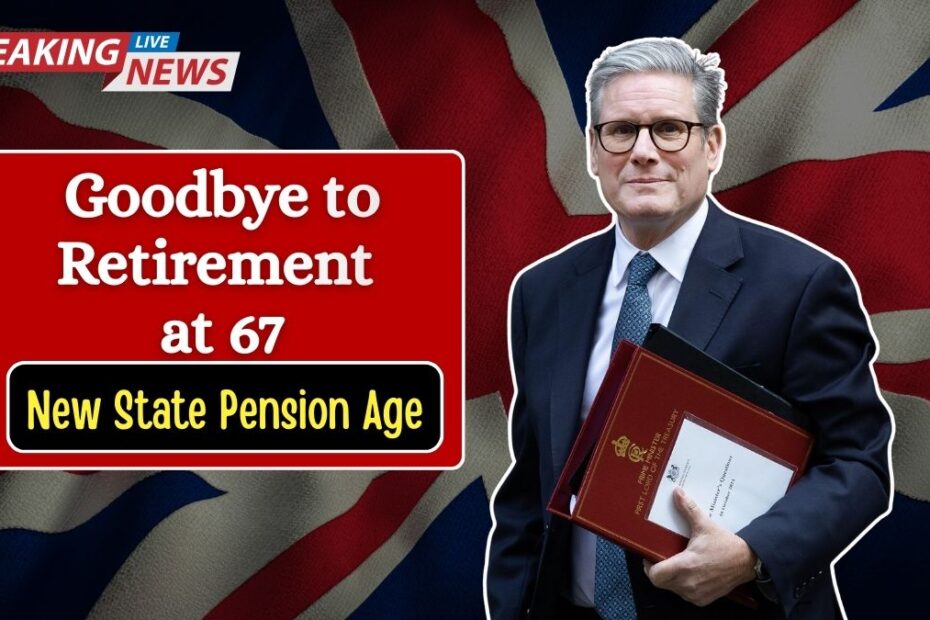
The UK’s retirement rules are undergoing a major transformation. The government has officially approved adjustments to the State Pension Age (SPA), moving away from the previously fixed retirement age of 67.
These changes, prompted by demographic pressures and long-term financial concerns, will influence how millions plan for their future. Understanding the updated schedule and what it means for your retirement is essential for all working adults.
Why the State Pension Age Is Increasing
Rising Life Expectancy and Financial Pressure
The central reason behind the SPA increase is to ensure the long-term sustainability of the pension system. With people living longer, the government must fund pension payments for extended periods, increasing pressure on public finances.
Maintaining a Fair Balance
Government policy aims to keep the proportion of adult life spent in retirement relatively consistent. As life expectancy rises, the SPA must increase to prevent the system from becoming financially unbalanced for future generations.
Updated State Pension Age Timeline
Current Age and Phased Changes
The present SPA stands at 66, and the shift toward 67 is already legally in progress. Rather than a sudden jump, this increase will roll out gradually to give workers time to prepare.
2026–2028 Transition Period
The move from 66 to 67 will occur between 2026 and 2028.
- Anyone born on or after April 1960 will be directly affected.
- Your exact SPA depends on your specific month of birth.
Who Will Be Impacted?
People in Their 50s and Younger
Those currently in their 50s—as well as younger age groups—will experience the biggest impact. Existing pensioners, however, will not see any change in their benefits or eligibility.
Birth Year Breakdown
- Born April 1960–March 1961: SPA falls between 66 and 67 years and 11 months.
- Born April 1961 or later: Your SPA will officially be 67.
Preparing for an Additional Year of Work
A delay of just one year can significantly affect anyone relying primarily on the State Pension. Workers approaching retirement should now revisit their financial plans to understand how this shift influences their long-term savings.
Key steps include:
- Reviewing all workplace and private pension pots
- Identifying income gaps
- Adjusting savings strategies to sustain retirement needs
Looking Ahead: The Move Toward Age 68
Legally Mandated Reviews
Under the Pensions Act 2014, regular reviews of the SPA are required. The next major adjustment is expected to increase the retirement age from 67 to 68.
Potential Early Implementation
While the official timeline for raising the SPA to 68 is 2044–2046, policymakers are considering bringing this forward to the mid-2030s due to updated forecasts. This indicates that today’s younger workforce may face additional shifts in their retirement expectations.
Economic Rationale Behind the Decision
Fairness and Sustainability
The rising number of older adults compared to the working-age population has made the previous SPA financially unsustainable. Raising the retirement age helps ensure the State Pension remains a dependable foundation for future retirees while reducing the burden on taxpayers.
Effect on Health and Quality of Life
Concerns for Physically Demanding Jobs
Adding another working year can be particularly difficult for people in physically strenuous roles. This shift raises concerns about potential income gaps for those unable to work due to health conditions or caregiving needs.
Ongoing Parliamentary Inquiry
MPs are currently reviewing the issue of pre-pension income gaps, examining how to support individuals leaving the workforce early due to health or caregiving responsibilities.
Smart Financial Planning Tips
To stay prepared, workers should take proactive steps to strengthen their financial security:
1. Check Your State Pension Forecast
Use the government’s forecasting tools to confirm your expected pension age and benefit amount.
2. Increase Private Savings
Boost contributions to workplace or personal pensions to build a more substantial financial cushion.
3. Voluntary National Insurance Contributions
Consider filling gaps in your National Insurance record to maximize your future State Pension entitlement.
The UK government’s decision to extend the State Pension Age beyond 67 marks a major shift in retirement policy. Although the move may be unpopular, it is viewed as necessary to safeguard the future of the pension system.
For individuals, the message is clear: proactive financial planning is now more important than ever. Relying solely on the State Pension is becoming less viable, making it essential to review savings, track pension forecasts, and prepare for a longer working life. Those who take action early will be better positioned to enjoy stability and comfort in later years.
FAQs
Will current pensioners be affected by the new State Pension Age changes?
No. Individuals already receiving the State Pension will not experience any changes to their payments or eligibility.
When will the retirement age increase to 67?
The rise from 66 to 67 will be phased in between 2026 and 2028, depending on your birth month.
Could the State Pension Age rise to 68 sooner than expected?
Yes. Although officially planned for 2044–2046, the government may move this forward to the mid-2030s, based on new data.