
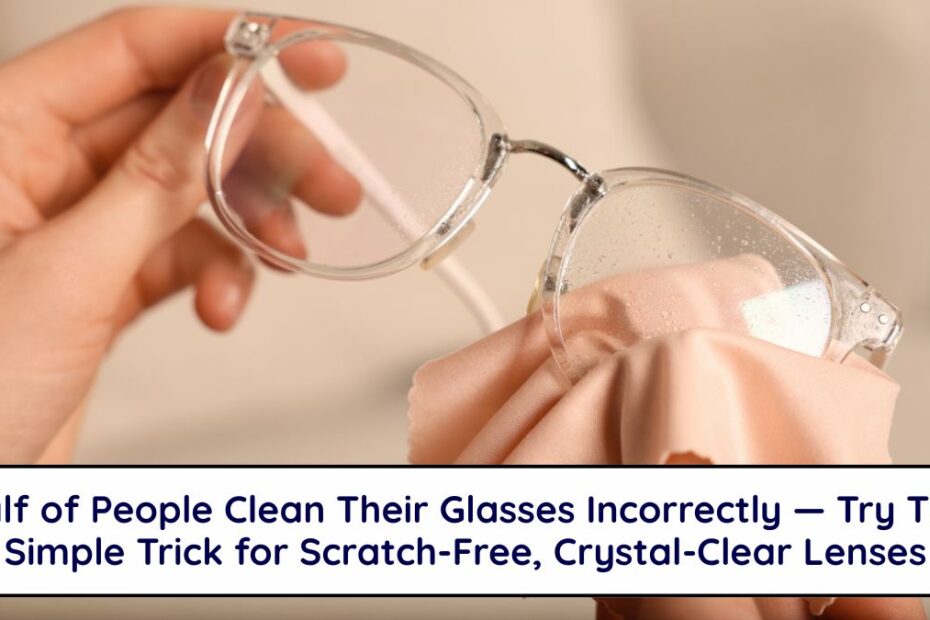
Smudged lenses don’t just spoil your appearance—they quietly strain your vision, drain your patience, and gradually increase long-term expenses. Across Europe and the United States, millions depend on prescription glasses daily. Yet a large number still wipe them with T-shirts, tissues, or harsh sprays—habits that seem harmless but slowly ruin modern lenses.
The Overlooked Problem Sitting on Your Nose
Studies from optical associations in Italy, the UK, and the US show that over 60% of adults wear prescription eyewear, but more than half clean their glasses in ways that damage them.
A dirty lens can reduce visual clarity by up to 20%, making it harder to read, drive, and focus on screens. But the real trouble usually comes from the cleaning process itself.
When dust is rubbed across the lens—especially when wiping dry—it acts like fine sandpaper, creating micro-scratches that scatter light and weaken protective coatings.
Early Warning Signs of Lens Damage
- Increased glare while driving
- Hazy screens or cloudy text
- Frequent headaches
- Faster eye fatigue
Most people blame age or prescription changes, not realizing the cleaning routine is the true cause.
Common Everyday Habits That Quietly Destroy Lenses
Opticians identify three major culprits behind long-term lens damage:
1. Using the Wrong Fabrics
- T-shirts, scarves, cotton towels
- These materials trap dust and drag it across the lens, scratching coatings.
2. Cleaning With Paper Products
- Tissues and kitchen roll contain wood pulp, a subtle abrasive.
3. Household Sprays and Harsh Chemicals
- Window cleaners and multi-purpose sprays often contain ammonia and other ingredients that degrade anti-reflective and anti-scratch layers.
4. “Dry” Cleaning Habits
- Blowing on lenses and wiping them dry only pushes grit deeper into the surface.
These habits rarely leave visible damage immediately, but micro-scratches accumulate—reducing contrast, increasing glare, and shortening lens lifespan.
For families with children or heavy screen users, this can become an expensive cycle, with coated lenses costing £80–£150 per pair.
The Professional Three-Step Cleaning Routine
Optician associations across Europe recommend a simple, highly effective cleaning method that takes less than a minute:
Step 1: Rinse
Run glasses under a gentle stream of lukewarm water to remove dust and particles.
Step 2: Clean With Mild Soap
Use a pH-neutral liquid soap (without oils or perfume). Gently clean the lenses and frame with your fingertips.
Step 3: Dry With Microfibre
Rinse thoroughly and pat dry using a clean microfibre cloth.
Avoid hot water, which can warp frames or weaken coatings.
When away from a sink, only use optical-grade sprays or wipes that meet recognized safety standards.
Tools That Actually Protect Your Glasses
| Material | Main Benefit | Best Use |
|---|---|---|
| Microfibre cloth | Soft, non-abrasive, antistatic | Daily drying and polishing |
| Mild liquid soap | Removes oils without residue | Weekly deep cleaning at home |
| Lens-specific sprays | Coating-safe formula | Quick cleaning at work or outdoors |
Microfibre outperforms cotton because its ultra-fine fibers lift oils and dust rather than spreading them, reducing friction and preventing scratches.
How Bad Lens Care Strains Your Vision
Poorly maintained lenses force your eyes to work harder. Optometrists commonly see symptoms such as:
- Early eye fatigue during reading or computer work
- Neck and shoulder tension from shifting posture
- Increased glare sensitivity, especially at night
- More frequent headaches, especially in migraine-prone individuals
For children with myopia, fast wiping or dropping glasses accelerates wear and leads to premature lens replacement—adding unnecessary costs for families.
The Real Financial Cost of Neglecting Your Glasses
Replacing coated lenses earlier than necessary can add hundreds of pounds over a few years, especially for households with multiple glasses wearers.
Some manufacturers now require proof of proper lens care for warranty claims, meaning damage from rough fabrics or chemicals may void coverage.
Caring for glasses properly doesn’t just protect your wallet—it also reduces waste. Keeping a pair for five years instead of two significantly lowers plastic and coating waste entering the environment.
Simple Daily Habits That Extend Lens Life
Good lens care isn’t expensive—it’s consistent. Adopt these daily practices:
- Always rinse before wiping
- Use only dedicated microfibre cloths
- Store glasses in a hard protective case
- Keep them away from heat sources
- Hold by the bridge while cleaning to avoid bending
Even budget frames last far longer when treated with proper care.
Why Optician Check-ups Still Matter
A professional inspection every 6–12 months helps maintain both lens clarity and frame stability. Opticians can:
- Spot early coating damage
- Tighten loose screws
- Realign bent arms
- Give lenses a deep clean
People who follow regular check-ups report significantly fewer lens failures.
Turning Cleaning Into a Daily Ritual
Glasses are precision tools, not everyday accessories. Treating them like optical instruments rather than fashion items shifts your mindset toward better care.
A one-minute ritual—rinse, soap, rinse, microfibre—can transform your visual comfort. Parents who teach this habit early see fewer complaints about “blurry vision” and fewer rushed lens replacements.
Consistent care can even reduce the desire for contact lenses or surgery; clear, scratch-free glasses often restore the comfort many thought they had lost.
Glasses may appear durable, but even small daily mistakes slowly erode clarity, comfort, and lens lifespan. The good news is that proper care requires very little effort—just a consistent routine, the right materials, and a more mindful approach to how you handle your eyewear. By following professional cleaning techniques, storing glasses correctly, and scheduling regular optician visits, you can protect both your vision and your investment for years to come. A few simple habits can prevent unnecessary expenses, reduce eye strain, and help you enjoy consistently sharper vision every single day.
FAQs
How often should I clean my glasses properly?
A quick rinse-and-wipe can be done daily, while a full wash with mild soap is recommended once or twice a week.
Can I use alcohol wipes on my lenses?
Only if they are specifically labeled safe for coated lenses. Generic alcohol wipes may strip protective coatings.
Why does microfibre work better than cotton?
Microfibre lifts dust and oils instead of rubbing them into the lens, greatly reducing the risk of scratching.