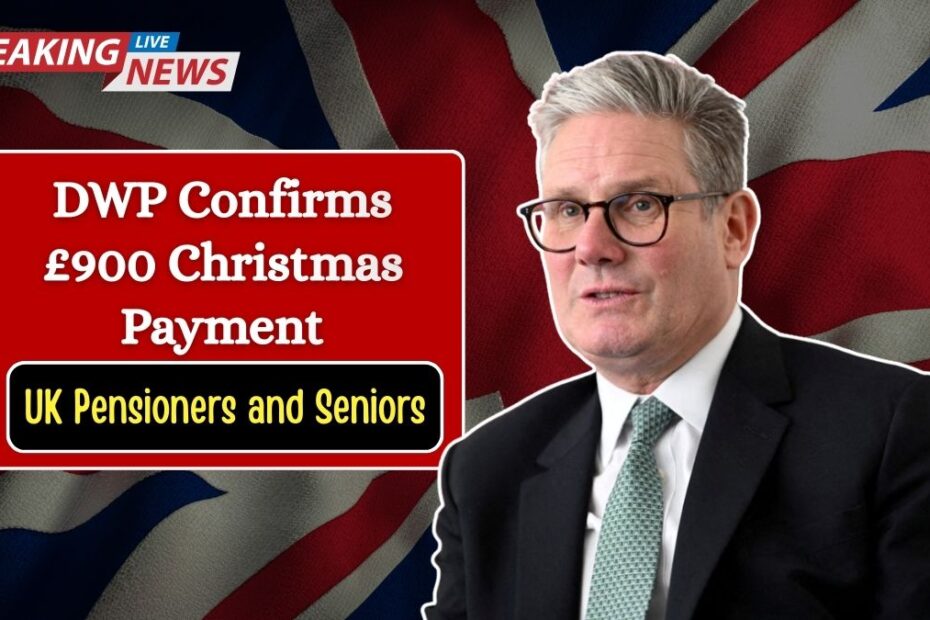
The UK Government has officially approved one of the most significant festive financial boosts for older citizens — a £900 Christmas Payment that will be rolled out to pensioners and low-income seniors starting 1 December. As rising heating, food, and household costs place greater pressure on fixed-income households, this enhanced winter support aims to provide meaningful relief during the most expensive season of the year.
For many pensioners, December brings increased financial strain due to higher utility bills, holiday-related expenses, and winter necessities. This is why millions look forward to seasonal help from the Department for Work and Pensions (DWP). This year, the Government has expanded its assistance by confirming an automatic £900 winter payment for qualifying seniors.
This detailed breakdown explains eligibility, payment dates, reasons behind the decision, and how the support will be delivered, making it easier for families — in the UK or abroad — to understand the new benefit.
What Exactly Is the £900 Christmas Payment?
Although the announcement has been widely welcomed, it has also raised questions about how the payment works. Many wonder whether it’s a single lump sum or a combination of multiple support measures.
According to the DWP, the £900 Christmas Payment is a combined winter-support package that includes:
- A dedicated winter lump-sum allowance
- Additional seasonal support for vulnerable households
- Pension-age assistance aligned with long-standing winter benefit rules
The core purpose is simple: shield seniors from soaring living costs and ensure they can manage comfortably during the coldest months.
Crucially, the payment is tax-free, will not impact existing benefits, and does not require repayment.
Eligibility: Who Qualifies for the £900 Payment?
Winter benefits in the UK follow specific rules, and the £900 Christmas Payment is no exception. The DWP has confirmed it will go to:
- State Pension recipients (Old and New State Pension)
- Pension Credit claimants
- Low-income seniors aged 66+
- Elderly individuals on disability-related benefits
- Older adults living alone or in cold-risk households
This means most UK pensioners receiving income-based or age-related support will be included.
Importantly, no application is required. The payment will be deposited automatically based on existing DWP records.
Payment Timeline: Deposits Begin 1 December
The most significant part of the announcement is the start date — 1 December. By issuing payments early in the month, the Government ensures seniors can manage heating bills, Christmas costs, and essential winter purchases.
The DWP payment schedule includes:
- Payments beginning 1 December
- Deposits released over the first two weeks of December
- Payment dates varying by individual banking cycles
- No need to call, apply, or follow up unless delays extend past mid-December
- Clear references on bank statements indicating winter support
This staggered rollout helps prevent delays and ensures funds reach seniors before Christmas.
Why the Government Approved a £900 Winter Payment
The decision was influenced by several economic pressures affecting older households:
- Persistently high heating and energy bills
- Nearly 20% increase in food prices over two years
- Heavy reliance on State Pension as the main income source
- Higher medical and living expenses during winter
- Ongoing inflation affecting fixed-income households
The payment aims to help pensioners maintain safe and warm homes, reducing health risks and winter-related emergencies.
Automatic Payment System: No Forms or Calls Needed
The DWP has emphasized that the payment will be processed automatically, with no action required from pensioners. Funds will be deposited into:
- Bank accounts
- Building society accounts
- Post Office accounts (where applicable)
The department also warns seniors to look out for scams. No DWP representative will ask for bank details, and pensioners should ignore suspicious emails, messages, or calls.
How £900 Supports Pensioners During Winter
For seniors — including many British-Indians living in the UK — the £900 provides vital financial breathing room by helping cover:
- A full month of energy costs
- Winter clothing, blankets, and heating essentials
- Christmas groceries and seasonal expenses
- Additional support for seniors living alone
- Unexpected winter emergencies
It offers stability during a season when expenses typically surge.
Will the £900 Affect Other Benefits?
The DWP confirms the payment does not reduce or replace any existing benefits, including:
- State Pension
- Pension Credit
- Disability payments
- Housing or energy support
- Cost-of-living allowances
The £900 is entirely supplemental, making it one of the largest winter boosts ever provided.
If a Pensioner Does Not Receive the Payment
In rare cases where the payment does not arrive:
- Wait until mid-December
- Check bank transactions carefully
- Contact the Winter Payments Helpline only after the official waiting period
- Confirm bank details on record
The DWP reassures that the system is designed to reach all eligible pensioners.
How This Payment Compares With Previous Winter Support
Winter benefits in past years typically ranged from £100–£300. This year’s £900 payout marks a significant increase:
- 2023–24 winter support: around £500–£600
- 2025 Christmas Payment: £900 or more for some households
- Pensioners remain the highest-supported age group in winter benefits
It reflects the Government’s recognition of the ongoing cost-of-living challenges.
DWP Scam Alert: Stay Vigilant
Fraud attempts often rise after major benefit announcements. The DWP warns:
- No official will ask for personal or banking details
- Pensioners do not need to apply
- Ignore any unusual calls, texts, or emails about the payment
Families should remind elderly relatives to remain cautious.
Do Pensioners Living Outside the UK Qualify?
Eligibility for pensioners living abroad depends on residency and heating-cost rules:
- Permanent overseas residents generally do not qualify
- Those who split time between the UK and abroad may qualify under specific conditions
- Eligibility is based on UK residency during winter and local climate regulations
The payment mainly targets seniors living within the UK.
Impact on British-Indians and South Asian Seniors in the UK
Many British-Indian seniors rely heavily on fixed pensions and face winter challenges like:
- High heating requirements
- Chronic health concerns
- Social isolation
- Rising daily expenses
For them, the £900 payment offers essential financial support and reassurance.
What Pensioners Should Do After Receiving the Payment
The DWP suggests:
- Allocate funds to heating, food, and health needs
- Avoid unnecessary spending
- Save a portion for emergencies
The payment is meant to ensure safety, warmth, and comfort throughout winter.
The confirmation of the £900 Christmas Payment provides crucial relief for millions of pensioners across the UK. Starting 1 December, eligible seniors will automatically receive financial help designed to ease the strain of winter expenses.
This initiative not only supports pensioners living independently but also reassures families — including those in India — who worry about their elderly relatives during the cold season.
FAQs
Do pensioners need to apply for the £900 payment?
No. The payment is fully automatic, and the DWP will determine eligibility using existing records.
Will this payment affect State Pension or Pension Credit?
No. The £900 is separate from all existing benefits and does not reduce any current entitlements.
When will the payment appear in bank accounts?
Deposits start on 1 December and continue through the first half of the month.