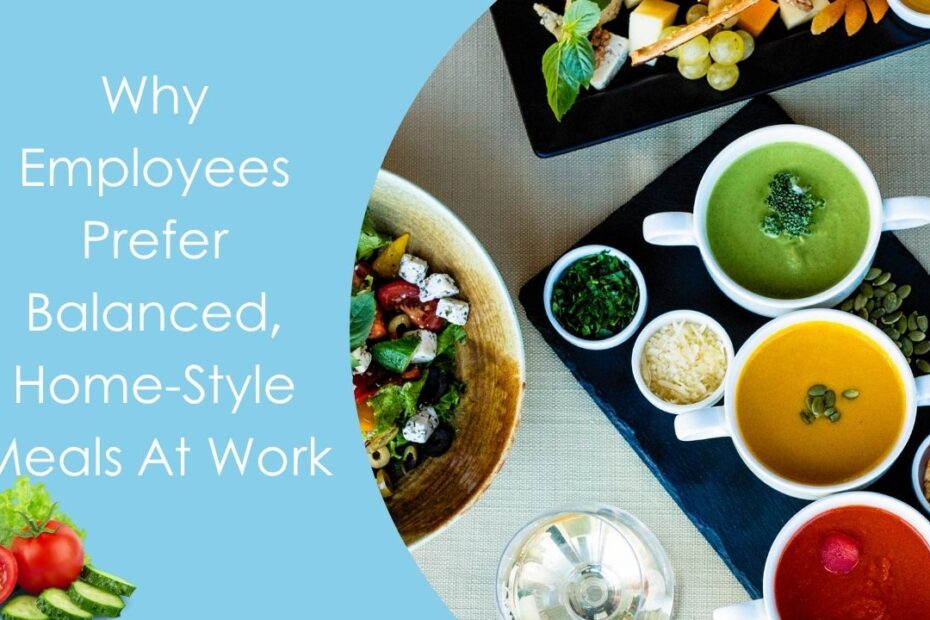
In today’s fast-paced work environment, employees are increasingly choosing balanced, home‑style meals over fast food, vending machine snacks, or cafeteria staples.
This trend is driven by a combination of health awareness, convenience, and the desire for comfort and familiarity.
Companies that embrace this shift not only support employee well-being but also enhance productivity, engagement, and workplace culture.
This article delves into why employees prefer home-style meals, the impact on health and workplace efficiency, and how organizations can capitalize on this growing preference.
The Rising Demand for Home‑Style Meals
1. Nutritional Quality Matters
Employees are becoming more conscious of the nutritional content of their meals.
Home-style meals often include fresh vegetables, lean proteins, and whole grains, providing balanced energy and sustained focus throughout the workday.
Unlike fast food or pre-packaged meals, these meals deliver essential nutrients, reduce sugar spikes, and help maintain consistent energy levels.
2. Health Benefits and Productivity
A healthy diet directly correlates with higher energy levels, better focus, and reduced fatigue. Employees who eat balanced meals experience:
- Improved cognitive function
- Increased concentration and alertness
- Reduced risk of chronic health issues such as obesity, diabetes, and hypertension
- Lower absenteeism and fewer health-related work interruptions
Offering home-style meals can significantly enhance employee productivity, as workers feel nourished and energized, ready to tackle their tasks efficiently.
3. Satisfaction and Employee Retention
Balanced, home-style meals contribute to overall job satisfaction. Employees often view access to quality meals as an important workplace perk, second only to flexible working arrangements.
Companies that provide nutritious meal options report higher employee engagement and loyalty, as staff feel valued and supported.
Time-Saving and Stress Reduction
Meal preparation can be a significant source of stress for employees. On average, workers spend several minutes each day planning, shopping, and packing lunches.
Over time, this adds up to hours of lost time and mental bandwidth.
By offering home-style meals at work:
- Employees save time on meal preparation
- Stress related to lunch planning is reduced
- Focus can shift to work tasks or restorative breaks
- Workplace efficiency improves overall
Social and Cultural Benefits
Food also plays a critical role in building workplace culture. Sharing meals fosters connection and collaboration among colleagues. Companies that provide communal or home-style meals often see:
| Benefit | Impact |
|---|---|
| Team bonding | Encourages conversations and stronger relationships |
| Collaboration | Shared meals lead to brainstorming and idea exchange |
| Employee morale | Boosts satisfaction and sense of belonging |
| Talent retention | High-quality food options enhance loyalty and reduce turnover |
| Company culture | Reinforces a supportive and engaging work environment |
Employees are more likely to engage with coworkers, participate in social events, and feel part of a cohesive team when quality meals are provided.
Key Reasons Employees Prefer Home-Style Meals
- Nutrient Awareness – Employees increasingly understand the importance of balanced nutrition and the benefits of home-prepared meals.
- Comfort and Familiarity – Home-style meals provide a sense of comfort, reducing stress and improving mental well-being.
- Convenience – Pre-prepared, ready-to-eat meals save time and mental effort.
- Perk Value – Access to balanced meals is a highly valued employee benefit that supports satisfaction and retention.
- Social Connection – Shared meals strengthen bonds and foster a positive company culture.
Challenges for Employers
Providing home-style meals comes with some considerations:
- Logistics – Ensuring timely delivery and quality maintenance for large teams can be complex.
- Dietary Preferences – Catering to vegetarian, vegan, gluten-free, or other specific dietary needs requires planning.
- Cost Management – High-quality meals may require higher investment, but the return on investment is reflected in increased productivity and reduced absenteeism.
- Behavioral Habits – Some employees may skip meals or multitask while eating, reducing the effectiveness of meal programs.
Best Practices for Offering Home-Style Meals
Organizations that successfully implement home-style meal programs typically follow these strategies:
- Meal Subsidies – Cover part or all of the meal cost to encourage participation.
- Variety and Choice – Offer diverse options to accommodate different dietary preferences.
- Pre-Ordering Systems – Reduce food waste and ensure employees get exactly what they want.
- Nutrition Education – Provide information on balanced meals to help employees make healthier choices.
- Communal Spaces – Encourage shared dining to enhance collaboration and team-building.
- Monitor Impact – Track satisfaction, productivity, and employee health to measure program effectiveness.
The preference for balanced, home-style meals at work reflects a larger trend of prioritizing health, convenience, and workplace culture.
Employees benefit from improved nutrition, lower stress, and better focus, while employers gain in productivity, satisfaction, and employee retention.
By offering thoughtfully prepared, home-style meals, companies create a win-win environment that fosters well-being, collaboration, and long-term organizational success.
FAQs
How do balanced, home-style meals improve workplace productivity?
Balanced meals provide stable energy, essential nutrients, and longer-lasting satiety, reducing fatigue and improving concentration during work hours.
Are home-style meals expensive for companies to provide?
While higher in cost than simple cafeteria food, the benefits—including increased productivity, employee satisfaction, and reduced absenteeism—often outweigh expenses.
How can companies accommodate diverse dietary needs?
Offering customizable meal options, pre-order systems, and clearly labeled dietary information ensures that vegetarian, vegan, gluten-free, and other preferences are met effectively.